Source Washer Dryer Timer for Washing Machines, Dryers, and Appliances
Explore 30 verified listings for washer dryer timer components suitable for washing machines, dryers, and household appliances. Buyers can compare specifications like voltage, material, and customization options from suppliers in China to find the right industrial or home use parts.
Key considerations
Products List



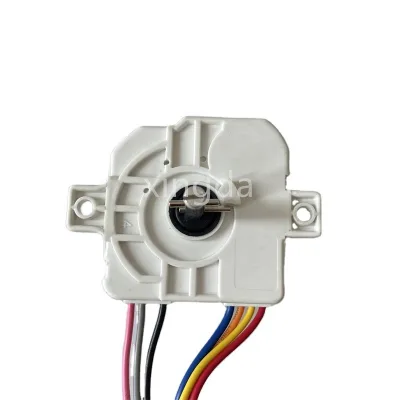


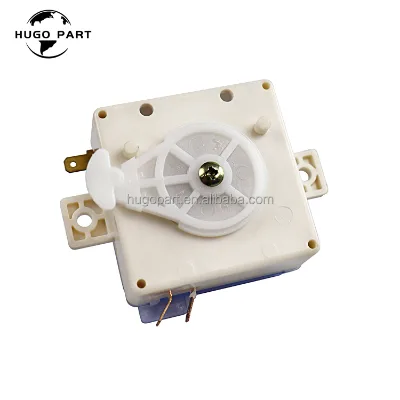
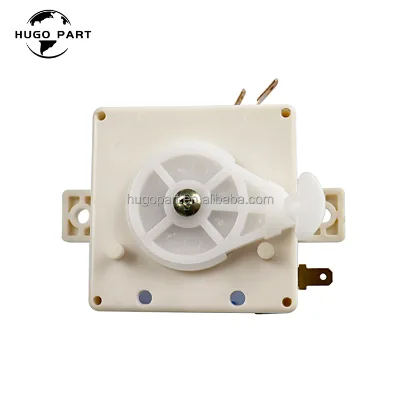


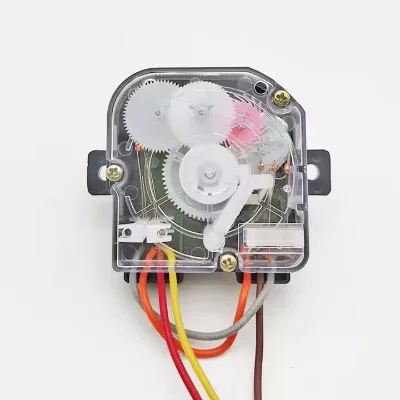
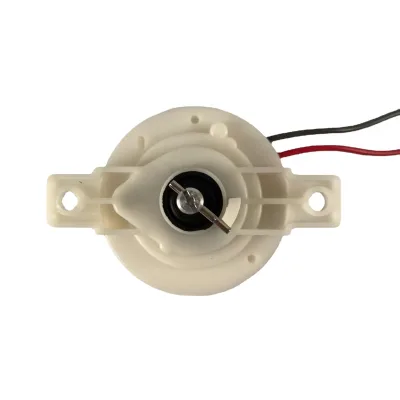


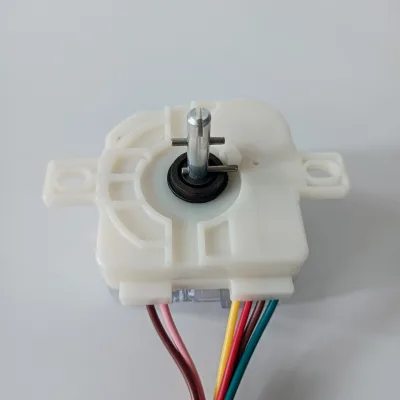
Comprehensive Sourcing Guide
Washer Dryer Timer Sourcing Guide
Procuring reliable timing mechanisms for laundry appliances requires a nuanced understanding of both mechanical durability and electronic integration. Buyers must distinguish between simple electromechanical switches and complex programmable modules, as the operational demands vary significantly across different machine tiers. The core keyword "washer dryer timer" encompasses a broad spectrum of components, from basic synchronous counters to advanced digital interfaces, each serving distinct functional roles in the appliance lifecycle.
This guide focuses on the critical decision points for sourcing these components, leveraging observed market data and technical specifications. It addresses the verification of material standards, compliance with regional safety regulations, and the evaluation of supplier capabilities. By adhering to structured procurement practices, buyers can mitigate risks associated with component failure, ensure seamless integration into existing assembly lines, and maintain consistent product quality across large production volumes.
Product Scope and Observed Listing Signals
The observed market listings reveal a diverse range of timer types, including synchronous counters, electronic timers, and specific washing machine parts. Key attributes such as "Electric" power source and "Automatic Grade" indicate a shift toward automated control systems, while specific models like "3600S" and "DFJ-A" suggest standardized industrial designs. Buyers should note that applications extend beyond household use to include universal counters and summation meters, highlighting the versatility of these components in various industrial settings.
Material composition is a critical differentiator, with listings specifying "Plastic+Metal" constructions and "ABS" plastic materials for specific injection-molded parts. Surface finishes like "Polishing" and standards such as "Stainless Steel 304" point to durability requirements in humid environments. The presence of "Hot Runner" technology and "Single Cavity" molds in related product data suggests that high-volume manufacturing processes are prevalent, influencing lead times and unit costs for buyers seeking large-scale procurement.
Technical Specifications to Verify
Voltage compatibility is a primary technical constraint, with observed specifications indicating "250V AC" operation for certain timer models. Buyers must verify that the operating direction, such as "Clock wise," aligns with the mechanical design of the target appliance. The "SE PLC" type and "Electronic" theory suggest that some timers integrate with programmable logic controllers, requiring careful assessment of interface protocols and signal compatibility to ensure seamless communication with the main control board.
Installation methods vary, with "Fixed" installation being a common requirement for internal appliance components. The "Module-n Synchronous Counter" base and "Addition Counter" function indicate specific mechanical counting mechanisms that must match the physical space and operational logic of the washer or dryer. Buyers should also consider the "Design Software" capabilities of suppliers, such as "Pro-E," which can facilitate custom modifications and ensure precise dimensional accuracy for bespoke integration needs.
Compliance and Safety Documentation
Certification status is a non-negotiable aspect of procurement, with observed listings citing "ISOCE," "CE," and "ISO" marks. These certifications indicate adherence to international quality and safety standards, which is crucial for market access in regulated regions. Buyers must verify that the specific timer model holds the necessary certifications for its intended market, as non-compliant components can lead to significant legal and logistical hurdles during product launch and distribution.
Additional standards such as "RoHS," "ISO 9001," and "ISO 14001" reflect environmental and quality management commitments. The "HASCO" standard mentioned in related product data suggests adherence to specific mold or component industry norms, which may be relevant for suppliers providing custom tooling or parts. Buyers should request current certification documents and ensure they are valid for the specific production batch to avoid discrepancies during third-party audits or customs inspections.
Cost Drivers and Commercial Terms
Pricing structures are influenced by material costs, customization levels, and order volume. Observed price ranges span from minimal unit costs to significant sums for specialized or high-volume contracts, reflecting the variability in component complexity. The "MOQ" of "500pcs" for specific items like washing machine timers indicates that suppliers often require minimum order quantities to justify production runs, which impacts inventory management and cash flow for buyers.
Payment terms such as "T/T" (Telegraphic Transfer) are common, requiring buyers to manage financial risk through escrow or milestone-based payments. Delivery dates ranging from "15-20 Days" suggest that lead times can be relatively short for standard items, but custom designs may require additional time for tooling and prototyping. Buyers should negotiate clear terms regarding packaging, such as "Plastic Wrap" or "PP Bag, Carton," to ensure product protection during transit and reduce handling damage.
Supplier Qualification and Quality Control
Supplier location and origin play a significant role in supply chain resilience, with "China" and specific regions like "Dongguan" and "Zhejiang" being prominent sources. Buyers should assess the supplier's manufacturing capabilities, including their use of "Injection Mould" technology and "Single-Process Mode" efficiency. The availability of "Free spare parts" and a "1 Year" guarantee indicates a commitment to after-sales support, which is vital for maintaining long-term operational continuity and reducing downtime.
Quality control processes should be verified through site audits or third-party inspections, focusing on the consistency of "Surface Finish Process" and material integrity. The "Customization" and "Customized" attributes suggest that suppliers are capable of adapting to specific design requirements, but buyers must establish rigorous acceptance criteria for prototypes and pre-production samples. Clear communication of design drawings or samples is essential to ensure that the final product meets all functional and aesthetic expectations.
Long-Term Procurement Checks
Continuous monitoring of supplier performance is essential for maintaining supply chain stability. Buyers should track metrics such as on-time delivery rates, defect percentages, and responsiveness to technical queries. The "Guarantee" period and "after-sales service provided" should be evaluated not just for initial compliance but for long-term reliability, ensuring that support remains available throughout the product's lifecycle. Regular reviews of certification validity and standard updates are also necessary to maintain ongoing compliance.
Strategic sourcing decisions should consider the potential for design evolution and technological upgrades. As appliances become more connected and intelligent, timers may require integration with IoT platforms or advanced diagnostic features. Buyers should engage suppliers who demonstrate innovation and adaptability, ensuring that the sourcing strategy remains aligned with future product roadmaps and market trends. Establishing a robust partnership framework can facilitate smoother transitions and collaborative problem-solving over time.
FAQs
What certifications do washer dryer timers have?
Many models carry ISO and CE certifications to ensure safety and compliance. Some products also meet ISO 9001 and ISO 14001 standards for quality management. These certifications verify that the manufacturing processes adhere to international requirements for industrial and household applications.
Can I get customized washer dryer timers?
Yes, customization is available for many timer models to meet specific design needs. Buyers can request designs based on their own drawings or samples. This flexibility allows for tailored solutions while maintaining the standard electric power source and synchronous counter functionality.
What is the lead time for delivery?
The typical delivery date ranges from 15 to 20 days after order confirmation. This timeline applies to standard production runs for items like the 3600S or DFJ-A models. Buyers should confirm specific schedules with suppliers to ensure timely arrival for their projects.
Which materials are used for these timers?
Timers are commonly constructed from a combination of plastic and metal for durability. Some specific components utilize ABS plastic with hot runner systems for injection molding. The housing often features stainless steel 304 standards to ensure resistance against corrosion and wear in various environments.
What is the minimum order quantity required?
The minimum order quantity varies by supplier but can start as low as 500 pieces for certain models. Some listings indicate a broader range from 1 to 10000 units depending on the specific product configuration. Buyers should check individual supplier terms for exact MOQ requirements.
How are the timers packaged for shipping?
Packaging options include plastic wrap, cartons, or PP bags depending on the specific product model. This ensures protection during transit for industrial or household applications. The choice of packaging material helps maintain the integrity of the timer until it reaches the final destination.